Howdy, y’all! Can you believe it’s almost time to kick off another school year? I swear, summer just breezes by like a sweet tea on a hot July day. But don’t you fret your pretty little heads, because over here at Teach Peachy, I’ve been busy as a bee in a bucket of tar, not just cookin’ up classroom management strategies, but also sprucin’ up our Books Page!
That’s right, we’ve given our Books Page a good ol’ Southern hospitality makeover, and it’s now packed with even more juicy details to help you pick out the perfect reads for your classroom. We’ve got all the nitty-gritty on some of my favorite novels, laid out in a brand-new, easy-to-read format that’ll make your lesson planning sweeter than a pecan pie!
What’s Cookin’ on the New Books Page?
We’re talkin’ more than just a quick summary, bless your heart! For each book, you’ll find:
- Title: The name of the literary delight, in lovely italics.
- Author: Who spun this wonderful yarn.
- Rating out of Peach Emojis: My personal “peachy” rating, right down to the half-peach!
- Summary: A quick rundown of the novel, just enough to whet your appetite without spoilin’ the whole meal.
- Genre: What kind of story you’re gettin’ yourself into.
- Number of pages: So you know what you’re wrangling.
- Number of Chapters: For easy pacing.
- Average Length of Audio Book: For those times when your eyes need a break.
- Lexile: To help you match the text to your readers.
- Parent Advisory of Content: A heads-up for folks about any sensitive topics.
- Number of Recommended Days to Teach: My suggestion for how long to savor the read in class.
- Recommended Grade Level for Teaching: Where I reckon the book will shine best in your curriculum.
- Recommended Format for teaching: How to wrangle these tales in your classroom.
Let’s Take a Peek at a Few of Our Featured Reads!
We’ve been hard at work updating classics and modern gems alike. Here’s a little taste of what you’ll find, complete with some fresh ideas for making these books sing in your classroom:
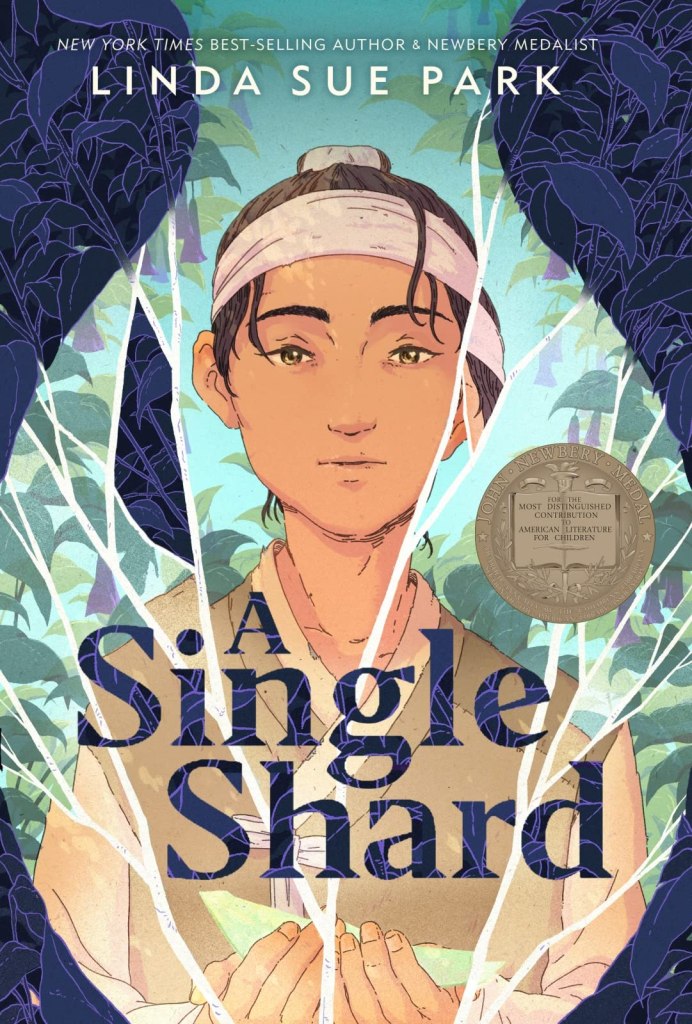
Title: A Single Shard
Author: Linda Sue Park
Rating out of Peach Emojis: 🍑🍑🍑🍑.8
Summary: An orphan boy in 12th-century Korea, Tree-ear, apprentices himself to a master potter, Min, and embarks on a journey of artistry, perseverance, and self-discovery. He faces challenges and loss, ultimately striving to carry on a legacy of exquisite celadon pottery.
Genre: Historical Fiction
Number of pages: 152
Number of Chapters: 13
Average Length of Audio Book: 3 hours, 11 minutes
Lexile: 920L
Parent Advisory of Content: A character dies, but the scene is not graphic.
Number of Recommended Days to Teach: Approximately 13-26 days (based on 1 chapter/day reading + activity)
Recommended Grade Level for Teaching: 8th Honors, 9th or 10th On Level (due to text complexity for historical fiction)
Recommended Format for teaching: Read a chapter one day, activity the next day. One quiz every 3 chapters for comprehension, mid-point Socratic seminar, post Socratic seminar, essay writing for narrative or argument, mini-project design your own vase, mini-project one-pager, mini-project character body biographies in groups, during reading Class Timeline tracker of events.
Title: The Great Gatsby

Author: F. Scott Fitzgerald
Rating out of Peach Emojis: 🍑🍑🍑🍑.8
Summary: Set in the roaring 1920s, Jay Gatsby, a mysterious millionaire, attempts to rekindle a past romance with the elusive Daisy Buchanan. Through the eyes of his neighbor Nick Carraway, the novel explores themes of the American Dream, illusion versus reality, wealth, class, and the destructive nature of obsession.
Genre: Classic, American Literature, Tragic Romance, Jazz Age Fiction
Number of pages: 180 (standard edition)
Number of Chapters: 9
Average Length of Audio Book: Approximately 4-6 hours
Lexile: 1110L
Parent Advisory of Content: Contains themes of adultery, social climbing, class conflict, and a tragic death. Features some depictions of excessive drinking and reckless behavior characteristic of the Jazz Age.
Number of Recommended Days to Teach: Approximately 9-18 days (one chapter per day reading, one chapter activity, or adapted for in-depth discussion)
Recommended Grade Level for Teaching: 11th Grade, or American Literature classes
Recommended Format for teaching: One chapter per day, one chapter activity. Teach major events and themes in depth. Consider breaking the novel into key sections for discussion.
Activities: Response journal to each major event or chapter; essay argument: Explore themes such as the corruption of the American Dream, or the justification of characters’ actions; compare and contrast/DBQ with various essays and sources about the Jazz Age, wealth disparity, or the shifting American Dream; Socratic seminars after key sections (e.g., after Chapters 3, 6, and 9) focusing on themes, character motivations, and symbolism; group body biographies for major characters (Gatsby, Daisy, Nick, Tom, Jordan, Myrtle); whole class timeline tracker of events and character interactions; literature circles for small group discussion with assigned roles; archetypes project focusing on classic archetypes present in the novel (e.g., the tragic hero, the femme fatale); Mock Trial: Put Jay Gatsby on trial for his illegal activities or character portrayal; alternatively, try Daisy Buchanan for her actions; quizzes on sections taught for comprehension; post test on overall understanding, themes, and literary devices; alternative choices “choose your own adventure” creation project based on a character’s pivotal decisions.
Recommended Teaching Resources: Historical context resources on the Roaring Twenties and the American Dream; literary criticism essays on Fitzgerald’s work.
Title: The Odyssey
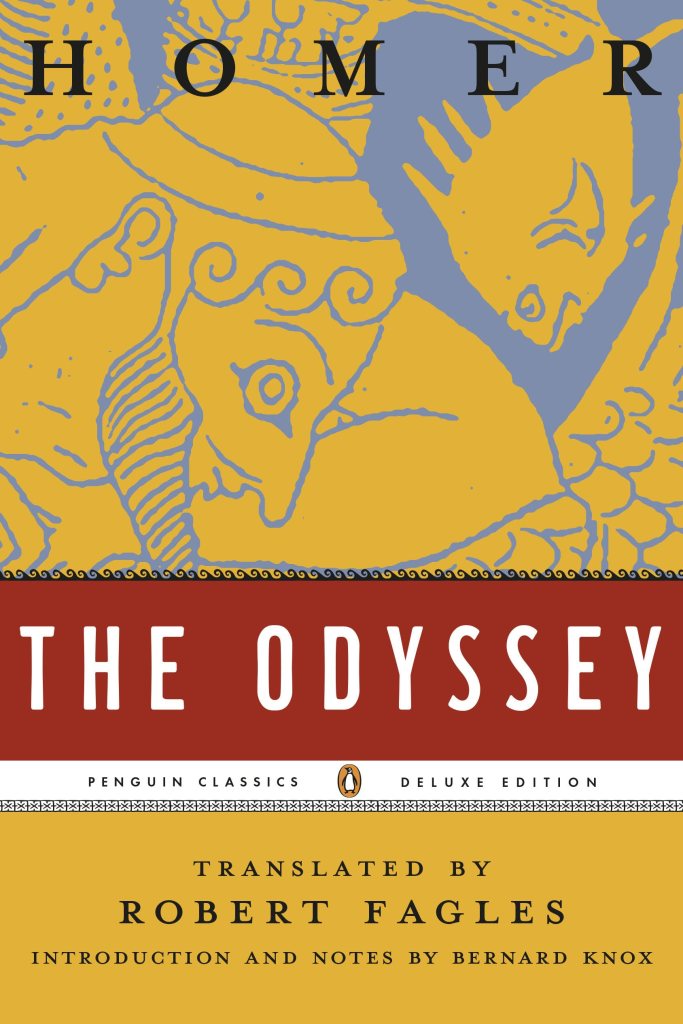
Author: Homer
Rating out of Peach Emojis: 🍑🍑🍑🍑.5
Summary: The epic poem follows the hero Odysseus on his long and arduous journey home to Ithaca after the fall of Troy. Beset by gods, monsters, and natural disasters, he endures countless trials, demonstrating cunning, resilience, and the enduring human desire for home and family.
Genre: Epic Poetry, Classical Literature, Adventure
Number of pages: Varies widely by translation and edition (e.g., 300-500 pages)
Number of Chapters: 24 (often referred to as “Books”)
Average Length of Audio Book: Approximately 12-15 hours (varies by translation)
Lexile: Varies significantly by translation; often ranges from 800L-1200L (e.g., Fitzgerald translation is around 1000L)
Parent Advisory of Content: Contains mythological violence, perilous encounters with monsters, some sensuality (e.g., Sirens, Calypso), and themes of revenge and divine intervention.
Number of Recommended Days to Teach: Approximately 24-72 days (based on one location in story = 3 teaching days, and focusing on major events)
Recommended Grade Level for Teaching: 9th Honors, 10th On Level, or 12th
Recommended Format for teaching: One location in story = 3 teaching days, one quiz per location visited. Only teach major events (Books 9-12 for engagement and key themes; Books 1, 5-8 for context; Books 21-22 for climax and resolution).
Activities: Small traveling groups, each group is his “ship” with “shipmates”; captains log journal responses for students; literature groups; Socratic seminars; body biographies; argumentative essay: should he have stayed with Calypso or gone back to his wife; Mock Trial: Odysseus for abandonment; track the allusions to Greek mythology; archetypes project of the text; quizzes on sections taught; post test on overall.
Recommended Teaching Resources: https://www2.classics.upenn.edu/myth/php/homer/index.php?page=timelines
We’re so excited for y’all to check out this updated resource. We believe these detailed breakdowns will help you pick books that resonate with your students and give you a head start on crafting engaging lessons. What are some of your must-have books for the upcoming school year? Share ’em in the comments below – I’d love to hear from y’all!


Leave a comment